10 New Year's
Resolutions to improve your
dog or cat's health
by Margaret Auld-Louie
-
 Feed the optimal diet designed by
nature for dogs and cats Feed the optimal diet designed by
nature for dogs and cats
-
Supplement the diet with super
nutrition
-
Reduce the use of drugs
-
Use natural products safely
-
Avoid over-vaccinating your pet
-
Reduce exposure to environmental
toxins
-
Get plenty of exercise
-
Provide outdoor
time
-
Provide healthy, clean water
-
Meet
your
pet's psychological needs
Most holistic vets recommend feeding dogs and cats a diet that
provides the same nutrition that wild cats or wolves would get in the
wild from eating whole prey animals. You can approximate this by
providing a diet of whole or ground raw meat, bones and organs. Next
best is a home-cooked diet containing human-grade food ingredients such
as meat, fish and vegetables plus appropriate supplementation. The
commercial dry kibble pet foods that most people feed their pets is far
from what nature designed them to eat. Not only is it cooked (heat kills
enzymes), but it
must contain a high amount of grain or starch to hold it together. Dogs and cats are carnivores not
designed to eat carbohydrates. Commercial pet food was designed for the
convenience of people and to use up waste from the production of human
food, by-products that would have been thrown out as unsuitable for
human consumption. To learn more about how to feed your pet for optimal
health, see our e-book
Save
Your Dog or Cat.
Even the best diet may not be sufficient to provide optimal health in our
pets, given the factors that have damaged their health in the past and our
polluted environment. It is no longer possible to find animals anywhere on the
planet that are not contaminated with chemicals. So even the organic raw meat you feed your pet has some chemical
contamination in it. Also, most diets are lacking in nutrients due to
the depletion of minerals in our soils. Unless your pet comes from several generations of animals fed organic raw
food, given no vaccinations, exposed to no environmental toxins and responsibly bred,
their health is already compromised as soon as they are born.
So, what can you do to counteract this and prevent future health problems? We
suggest supplementing the diet with superfoods containing very concentrated
nutrition, providing the body with the building blocks it needs to detoxify
chemicals, as well as prevent and fight off disease. It is best to start this
as a puppy or kitten and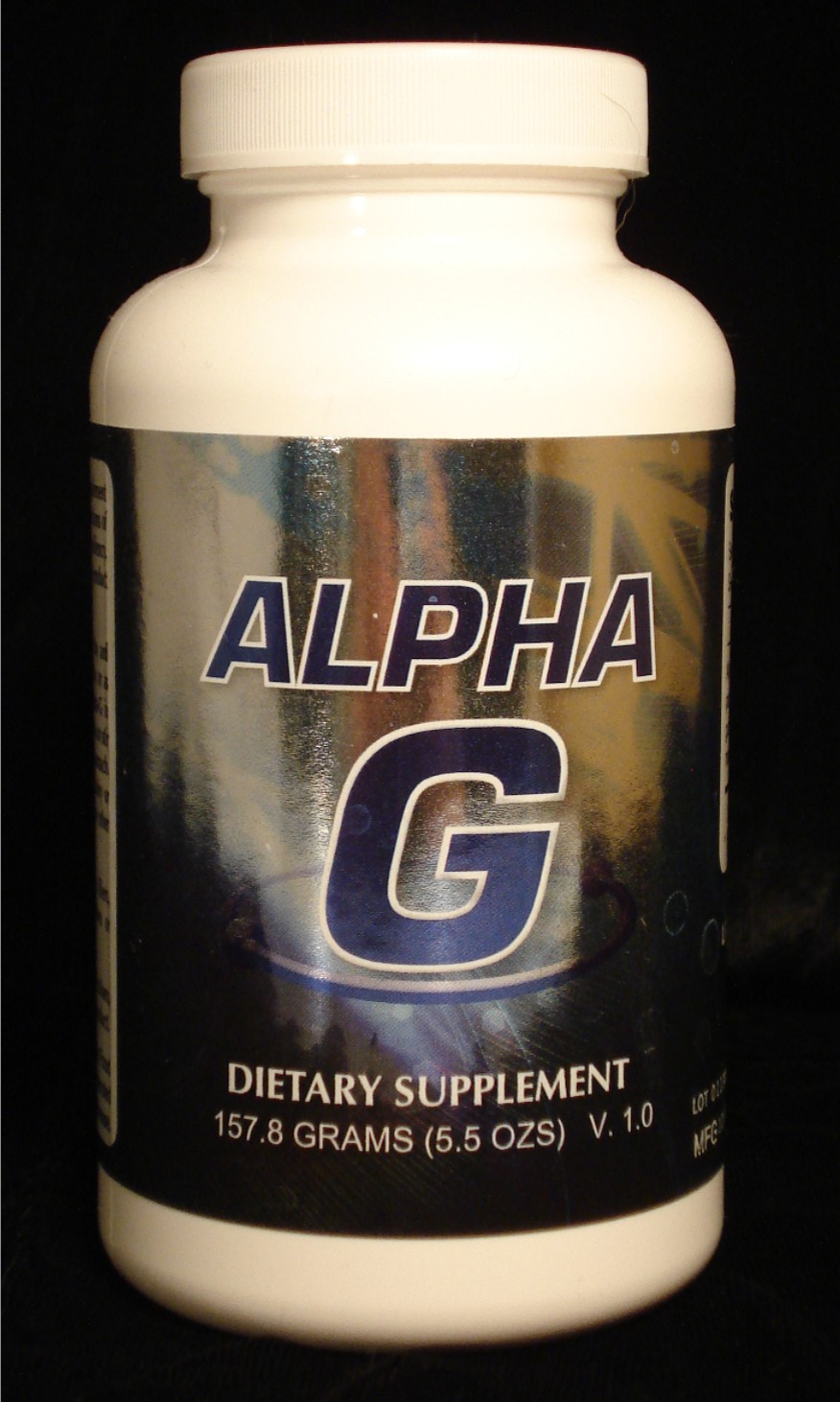 continue throughout the animal's life. Starting this when
your pet is young helps prevent cancer and other degenerative diseases when they get older. continue throughout the animal's life. Starting this when
your pet is young helps prevent cancer and other degenerative diseases when they get older.
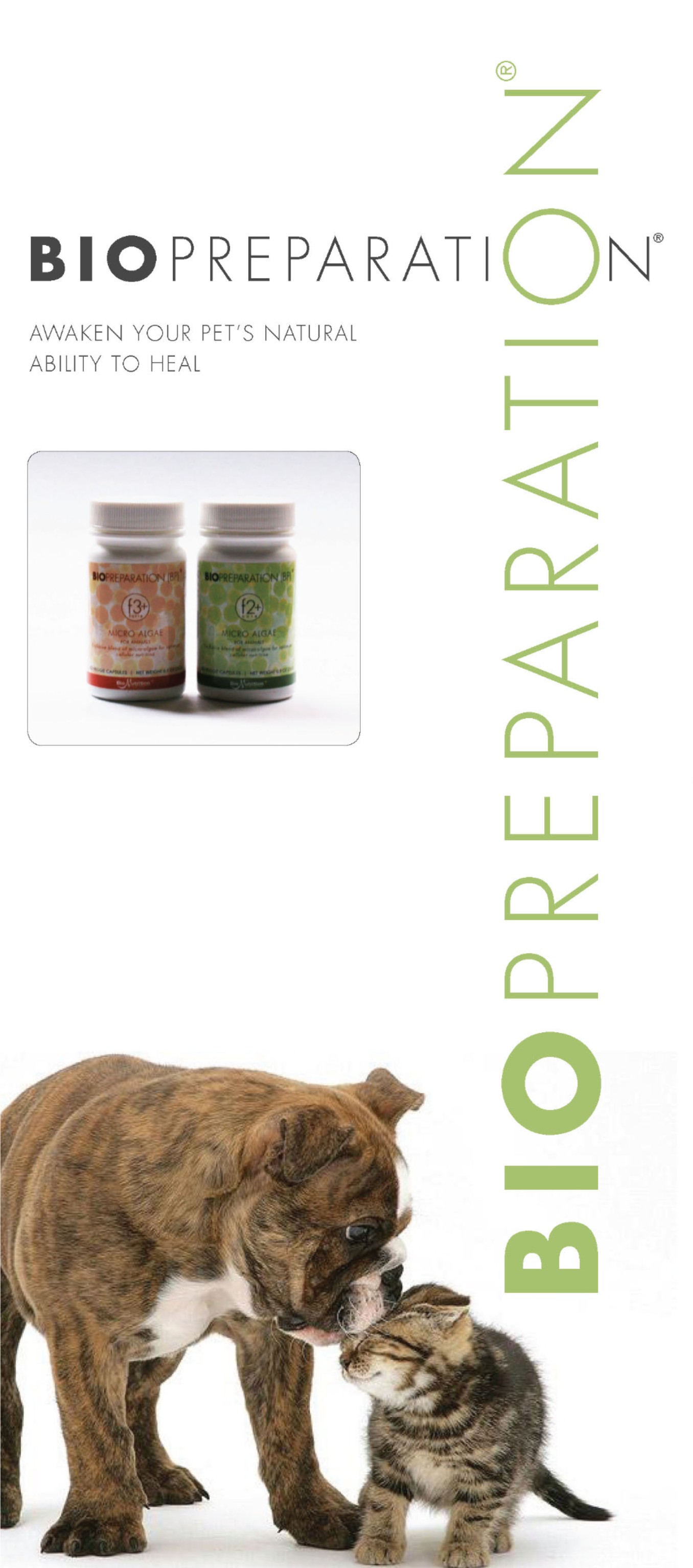
The superfoods we use and suggest are
BioPreparation,
a whole food microalgae product that activates the body's own healing power and
ALPHA-G, a
food product made from rice that boosts cellular regeneration.
While drugs are necessary sometimes to save the lives of humans and their pets,
they are vastly overused in many cases. Steroids, such as prednisone, are
heavily used by conventional vets to reduce inflammation and temporarily
alleviate symptoms of many diseases. However, with long-term use they suppress
the immune system and can create more problems than the animal had in the first
place. Antibiotics are also overused, which leads to antibiotic-resistant
bacteria and kills off all the good bacteria in your pet's digestive tract,
leading to overgrowth of yeast and other undesirable critters. Heartworm
medication is actually an insecticide and toxic to our pets, so holistic vets
discourage its use except in environments where there is a high enough incidence
of heartworm to justify the risk.
Instead of using drugs,
holistic veterinarians will first try less toxic remedies such as
homeopathic medicines, herbs, diet, supplements and natural treatments like
acupuncture to build up the animal's body so it can heal on its own. You can
reduce the need for drugs by helping your pet heal and stay healthy with optimal
nutrition and superfoods, as described above.
Just because it's natural, doesn't mean it's safe. Essential oils, herbs and
even supplements can harm your pets if you don't know what you're doing with
them. Did you know that some essential oils can be deadly to cats since their
livers process chemicals differently?
Read our article on safe essential oil use with animals to learn more.
Herbs, like drugs, can have dangerous side effects if you don't know how to use
them safely. It's best to work with a practitioner that has expertise in using
herbs with animals. Some supplements that people take safely can be toxic to
animals (such as alpha lipoic acid, which is toxic to cats). Other supplements
may be safe but have undesirable side effects, especially with long-term use.
Glucosamine can raise blood sugar, leading to yeast overgrowth.
Using whole food products proven safe on animals is much safer than isolated supplements such as vitamins, glucosamine,
and other extracted nutrients.
 Everyone knows that good pet owners take their dog or cat to the vet every
year to get their "annual vaccines", right? And if you want to take your dog to
a doggie daycare or kennel you may be required to provide proof of "current
vaccines".
However,
most holistic vets feel that yearly vaccinations are very detrimental to our
pets' health and a major factor leading to the epidemic of cancer and other
degenerative diseases seen in our pets now. They generally follow a
different
vaccination schedule than conventional vets, recommending a few core vaccines
for puppies and kittens and then no other vaccines for the life of the pet
except rabies as required by law. They feel
that vaccines typically last for the life of a pet, not for only one year. There is now
a study underway to prove that the rabies vaccine persists for at
least 5 to 7 years. For more information, see this site:
Rabies Challenge Study Fund. The American
Animal Hospital Association is now recommending vaccines every 3 years, however
many vets are not yet following the current recommendations and are still
promoting annual vaccinations. To learn more about this topic, see our article
here:
Vaccination Controversy. Everyone knows that good pet owners take their dog or cat to the vet every
year to get their "annual vaccines", right? And if you want to take your dog to
a doggie daycare or kennel you may be required to provide proof of "current
vaccines".
However,
most holistic vets feel that yearly vaccinations are very detrimental to our
pets' health and a major factor leading to the epidemic of cancer and other
degenerative diseases seen in our pets now. They generally follow a
different
vaccination schedule than conventional vets, recommending a few core vaccines
for puppies and kittens and then no other vaccines for the life of the pet
except rabies as required by law. They feel
that vaccines typically last for the life of a pet, not for only one year. There is now
a study underway to prove that the rabies vaccine persists for at
least 5 to 7 years. For more information, see this site:
Rabies Challenge Study Fund. The American
Animal Hospital Association is now recommending vaccines every 3 years, however
many vets are not yet following the current recommendations and are still
promoting annual vaccinations. To learn more about this topic, see our article
here:
Vaccination Controversy.
 We now live in a very toxic environment, laden with chemicals and pollution.
And our pets get more exposure to it than we do, since they walk and lie on the
floor and ground and then lick their feet and body. You probably already know
not to put herbicide on your lawn and then let your dog out to play on the lawn.
But what do you use inside the house that might
harm your pets? Many household cleaners can be toxic to pets. We now live in a very toxic environment, laden with chemicals and pollution.
And our pets get more exposure to it than we do, since they walk and lie on the
floor and ground and then lick their feet and body. You probably already know
not to put herbicide on your lawn and then let your dog out to play on the lawn.
But what do you use inside the house that might
harm your pets? Many household cleaners can be toxic to pets.
We learned first-hand just how sensitive our pets can be. We avoid using any
cleaning products with chemicals, since I am sensitive to chemicals. However, we
were using furniture polish containing orange oil (a "natural" product but high in
natural chemicals). We noticed our little Chihuahua-mix dog, Mikki, getting sick
after we used it so quit using it. Citrus oils are known to
be toxic to cats but our experience showed that some dogs are sensitive as well.
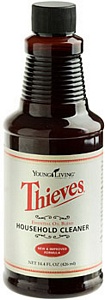
Both myself and our pets tolerate the
Thieves Household Cleaner by
Young Living
Essential Oils, the Basic G germicide by Shaklee (good for cleaning
litterboxes) and the unscented cleaners from Seventh Generation.
To learn more about how environmental toxins affect our pets and how to
reduce their exposure, we recommend the revised version of
Dr. Pitcairn's Complete Guide to Natural Health for Dogs & Cats,
which has a chapter on this topic.
This seems like an obvious recommendation but can be hard to follow when both adults are busy working all day. Just like people, animals need
exercise to keep their bodies healthy. Sticking your dog in the backyard doesn't
provide exercise unless you have multiple dogs that actively play together. The dog breeds that were created to work
hard all day--hunting dogs in the field or herding dogs in the pasture--suffer
both physically and psychologically when they don't get the extensive exercise their bodies were designed for. To meet this need, many doggie daycares and dog
parks have sprung up. Facilities
like this provide a very necessary element for our dogs' health if you cannot
take your dog for long walks, runs or play sessions every day. Rather than
"pampering" your dog, you are meeting your dog's very real physical and
psychological needs by taking advantage of these places. Another option is to
hire a dog walking service to walk your dog daily. If you have cats,
interactive play sessions with them can help them get the exercise they
need or find some solo
cat toys
to encourage them to play.
 Unless you live somewhere that has bad air pollution, providing
your animals with outdoor time in the fresh air and sunshine is very
beneficial to their health. Just as people take their babies outside in
strollers to get fresh air, taking your pets outside benefits their
health. With
dogs you can put them in the yard, if it is safely fenced and you are
home to supervise, or take them on a walk. Letting cats loose outside is
dangerous due to predators and cars but there are ways to safely expose
them to the outdoors, such as an enclosure in your yard, walking on
leash with a harness, or a pet stroller. Unless you live somewhere that has bad air pollution, providing
your animals with outdoor time in the fresh air and sunshine is very
beneficial to their health. Just as people take their babies outside in
strollers to get fresh air, taking your pets outside benefits their
health. With
dogs you can put them in the yard, if it is safely fenced and you are
home to supervise, or take them on a walk. Letting cats loose outside is
dangerous due to predators and cars but there are ways to safely expose
them to the outdoors, such as an enclosure in your yard, walking on
leash with a harness, or a pet stroller.
Many people drink bottled or filtered water
but it doesn't occur to them that tap water is also unhealthy for our
pets. Pets are just as susceptible to the ill effects of chemicals in
tap water as people. And the mainstream media has finally stopped
declaring that tap water is healthy to drink. An article in the New York
Times,
"That Tap Water is Legal but May be Unhealthy", explains the many
harmful chemicals that may be found in your tap water and are legally
permissible. Many pet guardians have found an improvement in their pets'
health conditions after switching them to a pure source of water.
Since bottled water is
expensive, uses non-renewable resources (plastic bottles) and is not
always cleaner than tap water, we suggest filtering your water at
home for yourself and your pets. The small, cheap faucet-mounted or
pitcher filters available in stores use granulated
carbon that does not filter adequately, plus they require frequent
filter changes, increasing the long-term cost. Instead, we recommend investing in a solid
block carbon filter such as
Multi-Pure, that attaches to your faucet or water line. Another
option is the
Berkey
water purifier, which sits on your counter and uses gravity to
slowly pull the water thru the filters, so there is no need to install
it on your faucet. Both these options are far less expensive over the
long-term than
bottled water, or the small, cheap filters that need frequent
replacement.
For our pets to have a high quality of
life, we need to provide them with the right mental, and not just
physical environment. For dogs, this means training them with positive
training methods, so they can fit in to our human environment and not
end up at the animal shelter because that cute puppy has grown up into
an unmanageable dog. Also, they need to live indoors with their human
"pack"--dogs are pack animals so they cannot live happily alone in the
garage or backyard. And, they need sufficient exercise (see #7 above).
This will make you happier too--dog trainers state that "a tired dog is
a well-behaved dog".
 For cats, taking
care of their psychological needs includes providing a stimulating
environment, giving them sufficient attention and
cat toys, and in multi-cat
households, providing places to get away from the other cats, such as
multi-level cat trees. Also, this means not declawing our cats. Our cat,
Cajun (shown on right), had behavioral issues that did not improve until
we started giving him
Vital PSP+,
one of the whole food products we offer. We believe some of his
behavioral issues stem from being declawed by his previous owner.
Declawing of cats is harmful to them physically and often leads to
behavioral problems. For cats, taking
care of their psychological needs includes providing a stimulating
environment, giving them sufficient attention and
cat toys, and in multi-cat
households, providing places to get away from the other cats, such as
multi-level cat trees. Also, this means not declawing our cats. Our cat,
Cajun (shown on right), had behavioral issues that did not improve until
we started giving him
Vital PSP+,
one of the whole food products we offer. We believe some of his
behavioral issues stem from being declawed by his previous owner.
Declawing of cats is harmful to them physically and often leads to
behavioral problems.
When
behavioral issues arise, there are many holistic resources to help
resolve problems, such as
flower essences,
essential oils (use caution with cats),
positive
dog trainers,
animal communicators and
animal behavior experts. Nutrition can also make a big difference
our pets' behavior--when they don't feel well, they don't behave well.
For optimal behavior, they need
optimal nutrition which includes adding
superfoods to
their diet.
|




 must press the green [Recalculate]
button on the lower left to
see this discount calculated in your order total. Then select
the green [Go To Payments] button to complete your order. This
discount is only available to our customers who read this
e-newsletter and order online. This discount is not available to
the general public. This discount may not be combined
with our autoship, volume, referral bonus, wholesale or
other discounts. Discount ends at midnight, February 11,
2010.
must press the green [Recalculate]
button on the lower left to
see this discount calculated in your order total. Then select
the green [Go To Payments] button to complete your order. This
discount is only available to our customers who read this
e-newsletter and order online. This discount is not available to
the general public. This discount may not be combined
with our autoship, volume, referral bonus, wholesale or
other discounts. Discount ends at midnight, February 11,
2010.