BioSuperfood (BSF) and BioPreparation (BP) Quality Assurance and Testing
Toxic Blooms: Cynobacteria
Pure Water
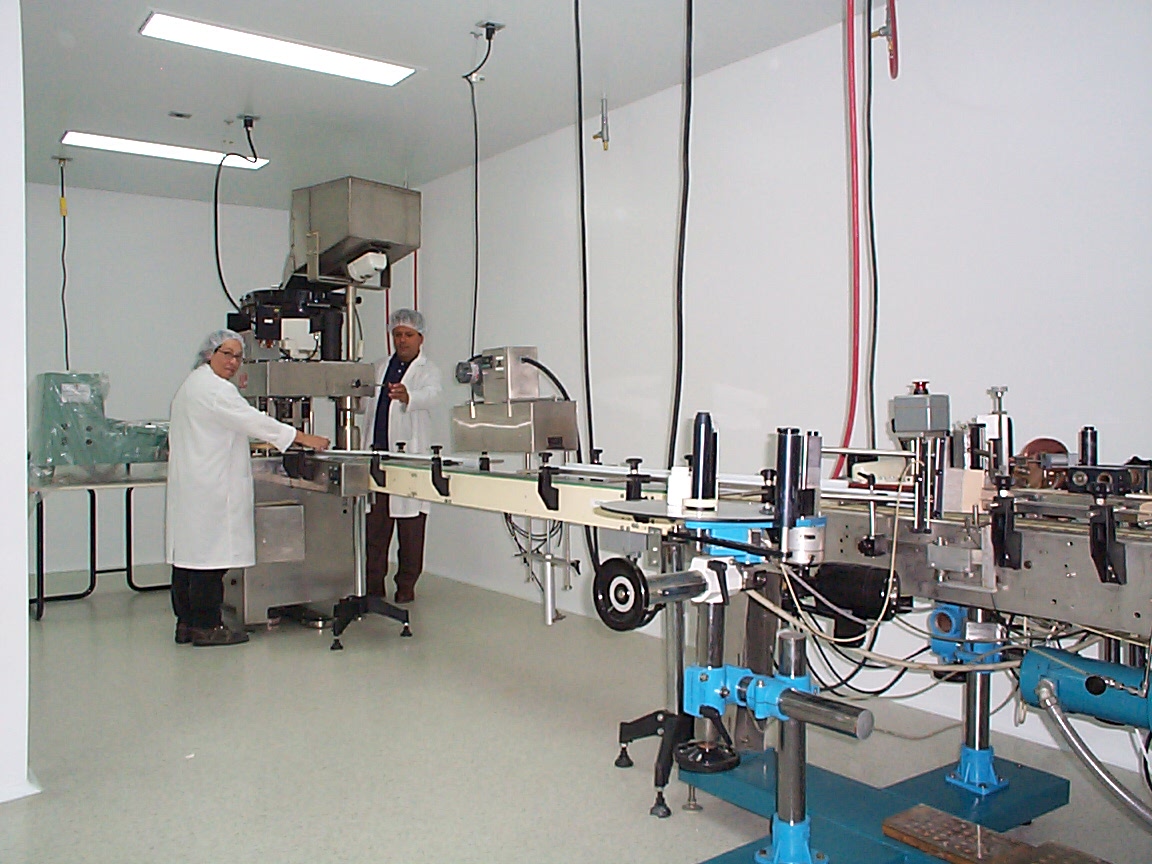
Totally Controlled Environment
Quality Assurance Testing
All BioSuperfood and BioPreparation formulas contain the same micro algae Spirulina Pacifica, Spirulina Platensis, Dunaliella and Astaxanthin
and absolutely nothing else. No binders or fillers to hinder digestion or
absorption. These Earth’s best algae are selected
among 25,000 different species for their superior quality and nutritional content. Furthermore, they are
harvested hydroponically to deliver their highest potential, balance and
synergy.
The dangers of a “toxic bloom” of blue-green algae are well known.
According to a website
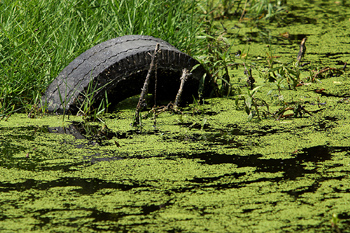 published by the Minnesota Pollution Control Agency,
certain environmental conditions (i.e., periods of sustained warm, sunny days in
shallow, nutrient rich bodies of water) that generally occur late in summer can
trigger a sudden overgrowth of a certain family of algae called cyanobacteria.
In these conditions, the blue-green algae suddenly “blooms”—that is,
reproduces exponentially. The algae produce a powerful toxin—one of the most
powerful natural poisons known. Cyanobacteria are the scientific name for
blue-green algae or “pond scum.” The first recognized species were blue-green in
color, which is how the algae got their name. Further species identified since
then range in color from olive-green to red. Microcystis aeruginosa is a type of
blue-green algae (also referred to as cyanobacteria). Researchers generally agree that
between 30 and 50 per cent of cyanobacterial blooms are harmless because
they contain only non-toxic species of freshwater cyanobacteria. Blooms
containing even one species of toxic cyanobacteria will be poisonous and
potentially dangerous. Because there’s no obvious way to tell if a particular
bloom is toxic, samples have to be analyzed in a laboratory before it can be
declared safe. published by the Minnesota Pollution Control Agency,
certain environmental conditions (i.e., periods of sustained warm, sunny days in
shallow, nutrient rich bodies of water) that generally occur late in summer can
trigger a sudden overgrowth of a certain family of algae called cyanobacteria.
In these conditions, the blue-green algae suddenly “blooms”—that is,
reproduces exponentially. The algae produce a powerful toxin—one of the most
powerful natural poisons known. Cyanobacteria are the scientific name for
blue-green algae or “pond scum.” The first recognized species were blue-green in
color, which is how the algae got their name. Further species identified since
then range in color from olive-green to red. Microcystis aeruginosa is a type of
blue-green algae (also referred to as cyanobacteria). Researchers generally agree that
between 30 and 50 per cent of cyanobacterial blooms are harmless because
they contain only non-toxic species of freshwater cyanobacteria. Blooms
containing even one species of toxic cyanobacteria will be poisonous and
potentially dangerous. Because there’s no obvious way to tell if a particular
bloom is toxic, samples have to be analyzed in a laboratory before it can be
declared safe.
There are over 25,000 different species of algae in the world—some are
toxic but most are very beneficial to all living creatures. Dr Kiriac does
not believe there is any natural body of water on Earth (including the Arctic
and Antarctic Oceans) that is not polluted to some extent.
Contamination of
polychlorinated hydrocarbons (PCHC), aldrin, heptachlor, heptachlorepoxide,
lindane, DDE and PCB have been been found in tissues samples of Arctic
seals, polar bears, polar foxes and sheep from southwest Greenland.1
Dr. Kiriac, therefore, will not use any lake, ocean or wild grown algae in his
products despite claims by other manufacturers as to their purity. Sure the
manufacturers can claim they test their lake or wild grown algae for commonly
known toxins and contaminants but what about the uncommon, unknown and ones that
there are no tests for yet? To ensure the strictest quality control and have
full control over the growing environment, Dr Kiriac has chosen to grow his
algae in closed bio-reactors in the pristine environment of Siberia.
Dr. Kiriac does not believe there is any natural body of water on
Earth that is not contaminated
 to
some extent. That is why he will not use wild-grown algae. Dr. Kiriac chose the volcanic peninsula of Kamchatka, Siberia because
of the presence of extraordinary volcanic nutrients in this pure spring water. This
ideal water contained more than 92 trace elements, including selenium and
sodium bicarbonate, all naturally occurring in an ideal temperature of
35° to 37° C (95° to 99° F). This was a perfect base solution for
bio-algae concentrates (BAC) and allowed the presence of the best
Essential Fatty Acids (EFA’s) within BAC, some of them yet unknown to
science. To protect the purity of this volcanic water, Dr. Kiriac pipes
the water directly into his bioreactors from the source 2,000 ft. below
ground. The water is never exposed to the atmosphere. to
some extent. That is why he will not use wild-grown algae. Dr. Kiriac chose the volcanic peninsula of Kamchatka, Siberia because
of the presence of extraordinary volcanic nutrients in this pure spring water. This
ideal water contained more than 92 trace elements, including selenium and
sodium bicarbonate, all naturally occurring in an ideal temperature of
35° to 37° C (95° to 99° F). This was a perfect base solution for
bio-algae concentrates (BAC) and allowed the presence of the best
Essential Fatty Acids (EFA’s) within BAC, some of them yet unknown to
science. To protect the purity of this volcanic water, Dr. Kiriac pipes
the water directly into his bioreactors from the source 2,000 ft. below
ground. The water is never exposed to the atmosphere.
You
can be assured that both BioSuperfood and BioPreparation never contain any of
the toxic algae species since they are grown in closed and totally controlled
bio-reactors not in the wild. Everything from the light, heat, filtered water
and nutrients is under Dr Kiriac’s (or his trained staff’s) control. This
totally controlled environment is another reason why BSF/BP is unique in the
algae product market. From over 20 years of research he has learned what light,
heat and water conditions are necessary to maximize the nutrients of his algae.
The concentration of nutrients in Dr Kiriac’s algae far exceeds what wild
grown algae contain. Dr Kiriac’s algae are, therefore, more therapeutic and has
more potential to awaken the body’s own natural ability to heal than generic
store-bought algae products. We have proven this to ourselves and seen these
results from other testimonials
we have collected. wild. Everything from the light, heat, filtered water
and nutrients is under Dr Kiriac’s (or his trained staff’s) control. This
totally controlled environment is another reason why BSF/BP is unique in the
algae product market. From over 20 years of research he has learned what light,
heat and water conditions are necessary to maximize the nutrients of his algae.
The concentration of nutrients in Dr Kiriac’s algae far exceeds what wild
grown algae contain. Dr Kiriac’s algae are, therefore, more therapeutic and has
more potential to awaken the body’s own natural ability to heal than generic
store-bought algae products. We have proven this to ourselves and seen these
results from other testimonials
we have collected.
BioPreparation
and BioSuperfood do not contain the blue-green algae
 cyanobacteria mentioned
above. They are grown without the use of synthetic fertilizers, pesticides
and without antibiotics, growth hormones or feed additives. Every batch of algae
(not just randomly selected but every batch) used in BioSuperfood and BioPreparation have been
tested for bacteria, herbicides, pesticides,
heavy metals and other contaminants (including radiation) before encapsulation (according to Health
Canada standards, the U.S. equivalent to
the F.D.A.). If the independent laboratory detects any contamination in a
single batch, they will not release it back to BioNutrition. cyanobacteria mentioned
above. They are grown without the use of synthetic fertilizers, pesticides
and without antibiotics, growth hormones or feed additives. Every batch of algae
(not just randomly selected but every batch) used in BioSuperfood and BioPreparation have been
tested for bacteria, herbicides, pesticides,
heavy metals and other contaminants (including radiation) before encapsulation (according to Health
Canada standards, the U.S. equivalent to
the F.D.A.). If the independent laboratory detects any contamination in a
single batch, they will not release it back to BioNutrition.
No other natural product company goes to this extent to provide you with a
world-class holistic product. We believe the extra costs to provide this rigid
quality control is worth it. The results we have seen in our holistic practice
prove it.
For a
Certificate of Analysis from a sample 10 g batch of bio-algae
concentrates, click the button below:

1 J. Clausen, L. Braestrup and
O.Berg, “The content of polychlorinated hydrocarbons in Arctic mammals,”
Bulletin of Environmental Contamination and Toxicology, Volume 12, Number 5 /
November, 1974, PP. 529-534.
|