Back in the 18th century, European travelers were crossing the Atlantic
Ocean to the New World.
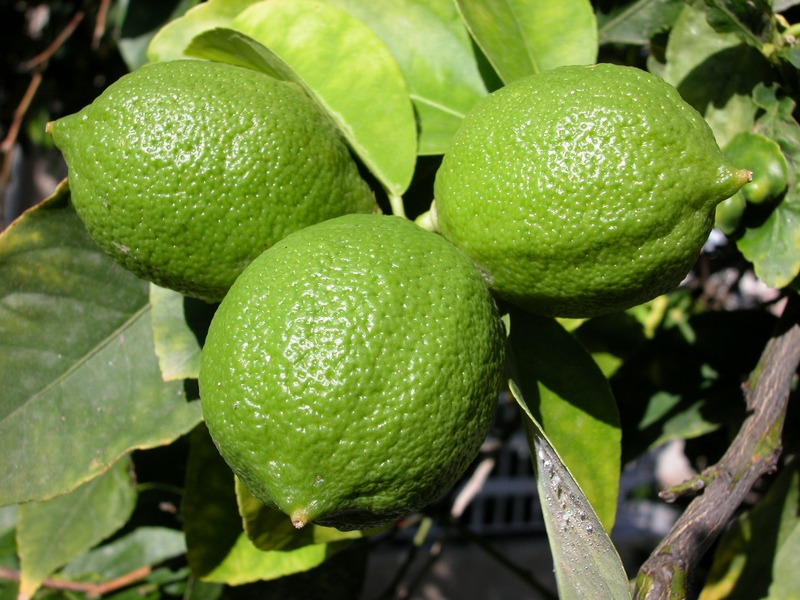
They discovered if they drank fresh lime juice
they did not get scurvy (a vitamin C deficiency resulting in weakness
and joint pain, internal hemorrhages causing black-and-blue marks to appear
on the skin, gums hemorrhaging and becoming weak and spongy, teeth root
break down where teeth loosen and eating becomes difficult and painful).
That is why British sailors were called "limeys." It was not until the 20th
century, that scientists finally isolated the beneficial nutrient in
citrus fruits as vitamin C. What is not commonly known is by taking
isolated Vitamin C in the form of an ascorbic acid supplement one only gets rid of the
symptoms of scurvy. When the ascorbic acid supplement is discontinued the
symptoms and disease returns. However, if one gets Vitamin C made
from an extract of whole green peppers not only do the symptoms disappear
but the scurvy is gone when discontinued. Vitamin C in the form of a
whole food product contains rutin, bioflavonoids, Vitamin E, selenium and
zinc that Nature dictated is needed for Vitamin C to work optimally in
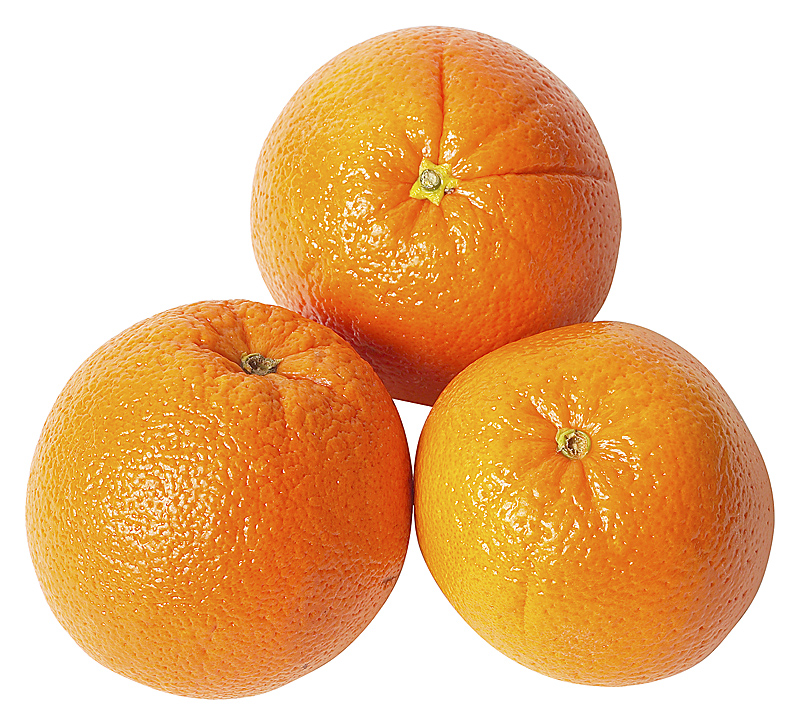
our body. All these complementary compounds are present in whole food
sources of Vitamin C (for example, green
peppers, oranges, rose hips, acerola
cherries, algae). By eating only
an isolated supplement with just ascorbic acid or by juicing an orange and
throwing away the pulp and peel, one is missing all the above necessary
compounds. I have proven this to myself by taking a time-released, megadose=2,000
mg Vitamin C tablet and a whole food Vitamin C made from rose hips and
acerola cherries (Vitamin C=250 mg) to my chiropractor when I had a cold or
flu. Through nutritional testing the chiropractor determined the 2,000 mg
supplement would help me recovery from the cold or flu but the 250 mg whole
food tablet would do just as well or better. So, a Vitamin C supplement of
2,000 mg is not necessarily better than a whole food product containing 250
mg of Vitamin C.
Consider this fact: more
expensive Vitamin C supplements are buffered to prevent nausea for those
with a sensitive stomach (cannot tolerate ascorbic acid). Nature included the
buffer ingredients needed in the pulp and skin of whole food sources of
Vitamin C (the white pulpy part of the orange). So, who is smarter—the
scientist that discovered we need to put back the buffer ingredients in
isolated Vitamin C supplements or Nature? New research has shown that 90% of the
antioxidant power of whole foods is contained in the pulp and peel. So, why
do most super nutrient, antioxidant juices on the market today contain only
the juice?
Whole
food products contain all the complementary ingredients that Nature said are
needed to achieve optimal health benefits. Green peppers and oranges
naturally contain bioflavonoids, rutin, Vitamin E, selenium, zinc and a host of
other nutrients that scientists today know
are needed for Vitamin C to work efficiently in our bodies.
Parts vs. the Whole
Consider
this example of using individual parts versus the whole food. If you gave a
child a bicycle in a box and told them to have fun they would have to take a
number of steps before they could have fun. The child would have to unpack the
box of parts, gather together all the tools, read the instructions and assemble
the bicycle. There is less than a 100% probability that the bicycle would
be assembled correctly. However, if you gave the child a kickball they could go
out the door and instinctually start dribbling the ball, kick the ball and throw
the ball against a wall and have fun immediately. Such is the difference between
a completely holistic whole food product and an isolated or natural but
"partially holistic" supplement. When taking an isolated supplement the body has
to assemble the proper enzymes, amino acids, buffer ingredients and other
complementary minerals and substances Nature said are needed for the supplement
to work properly. Sometimes the body even 'robs' other areas of the body of
these vital ingredients. When taking a whole food product, all the proper
enzymes, amino acids, minerals and other complementary ingredients and nutrients
Nature said are needed, the body gets right to work. BioSuperfood and
BioPreparation only
contain Nature's food in the form of one cell algae and nothing man-made,
extracted or chemically altered. The body instinctually knows what to do with
algae and gets right to work balancing and healing the body holistically
from within. Algae is native to all people's and animal's diet.
Based on our
combined 100+ years of holistic experience, we have come to the conclusion that
nutrition from whole food products is far superior, safer and more holistic than
isolated supplements. To support this conclusion consider these final thoughts from two prestigious sources:
To reduce cancer risk, the best advice presently is to consume
antioxidants through food sources, rather than supplements. (“Common
Questions About Diet and Cancer,” American Cancer Society)
“…there are insufficient data to justify an alteration in public
health policy from one that emphasizes food and diet to one that
emphasizes nutrient supplements. (“Essential Nutrients: Food or
Supplements?” Journal of the American Medical Association,
2005;294:351-358)
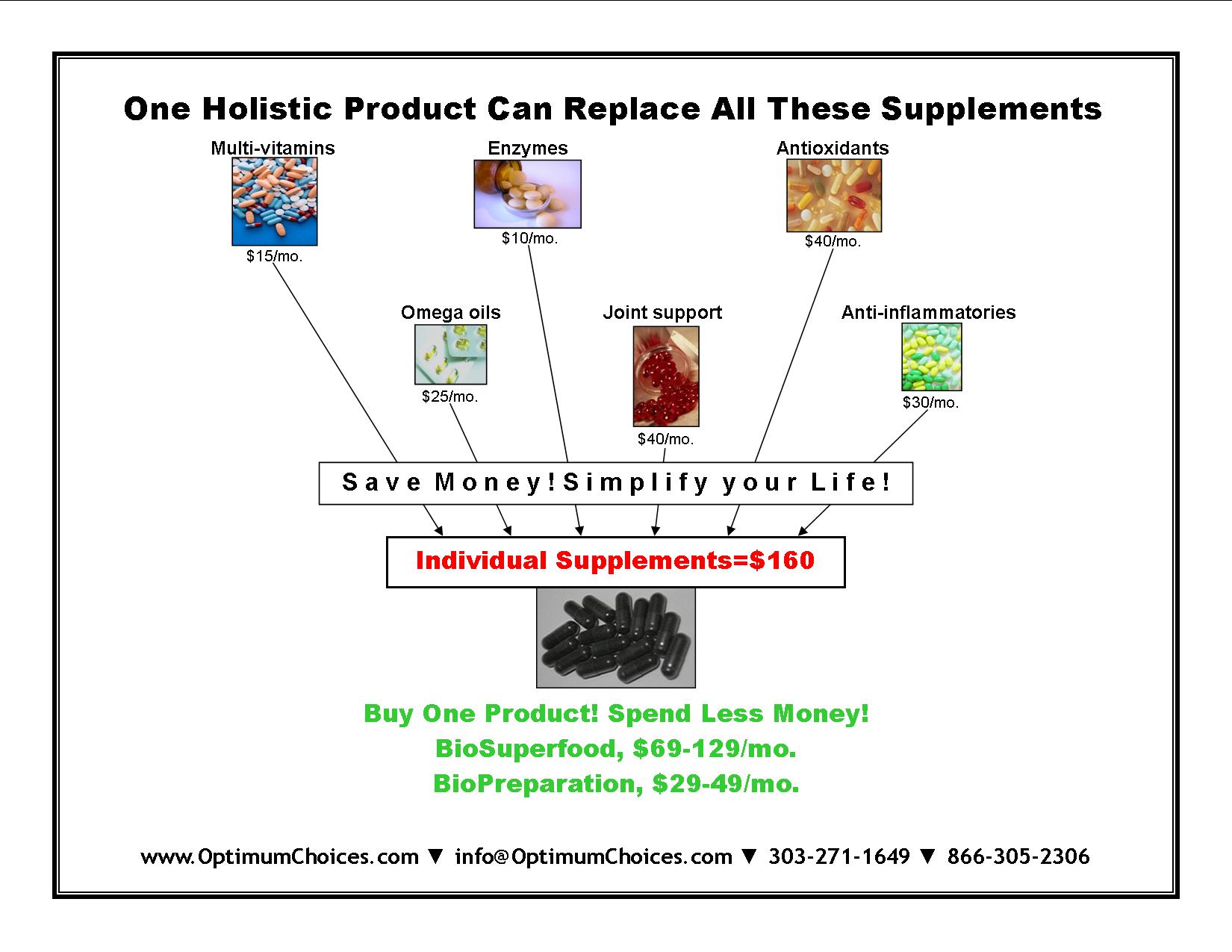
At Optimum Choices, we do not sell single vitamins, isolated supplements,
herbs, etc. that just address symptoms. We offer mostly whole superfood products
that promote 100% holistic wellness. Check out the details on the
following whole food products:
We encourage you to do your own research and determine what is
right for your body. You deserve more than just the elimination of
symptoms. You deserve total optimum wellness.
Nothing on this website has been evaluated by the FDA. This information
is not intended to diagnose, treat, cure or prevent any disease. Please
see a qualified healthcare practitioner for any disease or illness.










 They discovered if they drank fresh lime juice
they did not get scurvy (a vitamin C deficiency resulting in weakness
and joint pain, internal hemorrhages causing black-and-blue marks to appear
on the skin, gums hemorrhaging and becoming weak and spongy, teeth root
break down where teeth loosen and eating becomes difficult and painful).
That is why British sailors were called "limeys." It was not until the 20th
century, that scientists finally isolated the beneficial nutrient in
citrus fruits as vitamin C. What is not commonly known is by taking
isolated Vitamin C in the form of an ascorbic acid supplement one only gets rid of the
symptoms of scurvy. When the ascorbic acid supplement is discontinued the
symptoms and disease returns. However, if one gets Vitamin C made
from an extract of whole green peppers not only do the symptoms disappear
but the scurvy is gone when discontinued. Vitamin C in the form of a
whole food product contains rutin, bioflavonoids, Vitamin E, selenium and
zinc that Nature dictated is needed for Vitamin C to work optimally in
our body. All these complementary compounds are present in whole food
sources of Vitamin C (for example, green
They discovered if they drank fresh lime juice
they did not get scurvy (a vitamin C deficiency resulting in weakness
and joint pain, internal hemorrhages causing black-and-blue marks to appear
on the skin, gums hemorrhaging and becoming weak and spongy, teeth root
break down where teeth loosen and eating becomes difficult and painful).
That is why British sailors were called "limeys." It was not until the 20th
century, that scientists finally isolated the beneficial nutrient in
citrus fruits as vitamin C. What is not commonly known is by taking
isolated Vitamin C in the form of an ascorbic acid supplement one only gets rid of the
symptoms of scurvy. When the ascorbic acid supplement is discontinued the
symptoms and disease returns. However, if one gets Vitamin C made
from an extract of whole green peppers not only do the symptoms disappear
but the scurvy is gone when discontinued. Vitamin C in the form of a
whole food product contains rutin, bioflavonoids, Vitamin E, selenium and
zinc that Nature dictated is needed for Vitamin C to work optimally in
our body. All these complementary compounds are present in whole food
sources of Vitamin C (for example, green
 peppers, oranges, rose hips, acerola
cherries,
peppers, oranges, rose hips, acerola
cherries,  a sensitive stomach (cannot tolerate ascorbic acid). Nature included the
buffer ingredients needed in the pulp and skin of whole food sources of
Vitamin C (the white pulpy part of the orange). So, who is smarter—the
scientist that discovered we need to put back the buffer ingredients in
isolated Vitamin C supplements or Nature? New research has shown that 90% of the
antioxidant power of whole foods is contained in the pulp and peel. So, why
do most super nutrient, antioxidant juices on the market today contain only
the juice?
a sensitive stomach (cannot tolerate ascorbic acid). Nature included the
buffer ingredients needed in the pulp and skin of whole food sources of
Vitamin C (the white pulpy part of the orange). So, who is smarter—the
scientist that discovered we need to put back the buffer ingredients in
isolated Vitamin C supplements or Nature? New research has shown that 90% of the
antioxidant power of whole foods is contained in the pulp and peel. So, why
do most super nutrient, antioxidant juices on the market today contain only
the juice? umber of steps before they could have fun. The child would have to unpack the
box of parts, gather together all the tools, read the instructions and assemble
the bicycle. There is less than a 100% probability that the bicycle would
be assembled correctly. However, if you gave the child a kickball they could go
out the door and instinctually start dribbling the ball, kick the ball and throw
the ball against a wall and have fun immediately. Such is the difference between
a completely holistic whole food product and an isolated or natural but
"partially holistic" supplement. When taking an isolated supplement the body has
to assemble the proper enzymes, amino acids, buffer ingredients and other
complementary minerals and substances Nature said are needed for the supplement
to work properly. Sometimes the body even 'robs' other areas of the body of
these vital ingredients. When taking a whole food product, all the proper
enzymes, amino acids, minerals and other complementary ingredients and nutrients
Nature said are needed, the body gets right to work.
umber of steps before they could have fun. The child would have to unpack the
box of parts, gather together all the tools, read the instructions and assemble
the bicycle. There is less than a 100% probability that the bicycle would
be assembled correctly. However, if you gave the child a kickball they could go
out the door and instinctually start dribbling the ball, kick the ball and throw
the ball against a wall and have fun immediately. Such is the difference between
a completely holistic whole food product and an isolated or natural but
"partially holistic" supplement. When taking an isolated supplement the body has
to assemble the proper enzymes, amino acids, buffer ingredients and other
complementary minerals and substances Nature said are needed for the supplement
to work properly. Sometimes the body even 'robs' other areas of the body of
these vital ingredients. When taking a whole food product, all the proper
enzymes, amino acids, minerals and other complementary ingredients and nutrients
Nature said are needed, the body gets right to work.
 “…there are insufficient data to justify an alteration in public
health policy from one that emphasizes food and diet to one that
emphasizes nutrient supplements. (“Essential Nutrients: Food or
Supplements?” Journal of the American Medical Association,
2005;294:351-358)
“…there are insufficient data to justify an alteration in public
health policy from one that emphasizes food and diet to one that
emphasizes nutrient supplements. (“Essential Nutrients: Food or
Supplements?” Journal of the American Medical Association,
2005;294:351-358)