|
Holistic Consultations
There is so much
demand for our holistic products (because
they work), general questions and product inquiries can take one
week or longer for us to respond. Therefore, Optimum Choices offers two types of
holistic consultations for a quicker response. If you are purchasing
BioPreparation for pets,
BioSuperfood for people
or PSP+ for both people and pets, then take advantage of our Mini- and Extended-Consults with
your product purchase at a reduced consultation price. Click on the
appropriate [Buy Now] buttons beside your product purchase in our
shopping cart. These consults are meant to give you short nutritional
suggestions on how to maximize your benefits from these revolutionary
holistic products. If you have an urgent need
for an answer, purchase a consult and we guarantee a response in 1-2
business days
or your consult is free. Our holistic suggestions are based on the brief data
(i.e., name, species, breed, age, weight, health challenge/symptom) you
entered into the Pet/People information box in our shopping cart. The
results of your consult will be included in the welcome letter (with
beginning dosage suggestions) included with your package or a subsequent e-mail
before your order is shipped. We will make absolutely sure you have
purchased the correct product/formula and you know how to start your
holistic journey towards wellness. For more details on how these
consults work, click Holistic
Consultations.
For immediate answers, click the resource
buttons below:
|
BioSuperfood-BioPreparation |
Seacure |
 |
 |
 |
 |
 |
|
One of the most puzzling responses of the
body after starting a new superfood product is when one
experiences fatigue, headache, dizziness, rash, digestive upset, loose
stools, diarrhea, and even exacerbation of current symptoms. After all,
one expected to feel better after starting a new superfood product. We
have published three answers to this puzzle in our Frequently Asked Questions
web page. To show you how helpful the above
online resources (available 24 hours a day) are, go to our
BSF-BP FAQ
page. Within one of the answers, you will find an embedded
Discount Code worth 8% off your next order (this code cannot be
combined with any other discount and will expire soon. If you order
a Starter Pack (three bottles discounted) your total discount will be 18% off your order. Please
consider going to these online resources first before contacting us with
a question.
|
|
********************************************************************************************************************************
Pet Vaccine Seminar
March 28th, San Diego
with Drs. W. Jean Dodds and Ronald Schultz
 Award-winning
author, Jan Rasmusen, has organized a vaccine seminar to be held in San
Diego, California on March 28, 2010 to benefit
The Rabies
Challenge Fund. World-renowned veterinary vaccine research
scientists, Drs. W. Jean Dodds and Ronald Schultz, will be the featured
speakers at this all-day event. Detailed information on the seminar can
be found at
www.petseminar.org. The seminar has been certified to give 6
CCPDT Continuing Education Units to dog trainers. Award-winning
author, Jan Rasmusen, has organized a vaccine seminar to be held in San
Diego, California on March 28, 2010 to benefit
The Rabies
Challenge Fund. World-renowned veterinary vaccine research
scientists, Drs. W. Jean Dodds and Ronald Schultz, will be the featured
speakers at this all-day event. Detailed information on the seminar can
be found at
www.petseminar.org. The seminar has been certified to give 6
CCPDT Continuing Education Units to dog trainers.
********************************************************************************************************************************
 Awakening
The Genius Within Awakening
The Genius Within
Long Beach Health Freedom Expo
The Cutting Edge in Freedom of Health and Well Being
with Michael Kiriac, Ph.D. and Roland Thomas, N.D.
Friday - March 26 - visit all day, talk at 10:45AM
Saturday - March 27 - visit all day, talk at 10:45AM
Sunday - March 28 - visit all day, talk at 02:00PM
For information visit:
Health
Freedom Expo or call 303-683-8113 or email:
info@bioage.com

 Awakening
The Genius Within Awakening
The Genius Within
with Michael Kiriac, Ph.D. and Roland Thomas, N.D.
Monday March 29 from 6:45 PM until 9:45 PM
Dr. LeRoy Perry's International Sportscience Institute
3283 Motor Ave,
West Los Angeles, CA 90034
(Click for directions and map)
Registration: $10.00 before April 1st - $20 at the door (book included)
Online:
Los Angeles Seminar US $ 10.00 or toll free 877-288-9116
********************************************************************************************************************************
Inflammatory Bowel Disease (IBD): Holistic Case Study
Inflammatory Bowel Disease (IBD) is almost an epidemic among our pets.
Unfortunately, Western veterinary science does not have an exact cause
of IBD. Suspected causes are genetics, poor nutrition, infectious agents
(for example, bacteria, viruses or parasites), poor or imbalanced immune system and
even a secondary response to some other diseased condition. Current
allopathic (Western medical) treatments include drugs and diets low in
fats and carbohydrates, especially those low in gluten (avoid wheat,
oats, rye, and barley). Western medications include anti-inflammatory
medications (for example, steroids), immunosuppressive agents (for example, azathioprine and cyclophosphamide), corticosteroids,
metronidazole (an
antibiotic and also inhibits the immune system), sulfasalazine and
mesalamine compounds, anti-diarrheal drugs (loperamide or diphenoxylate) and anti-spasmodic drugs. Many pet guardians
find the only source of relief is a homemade diet but this is very
time-consuming and often not completely balanced, unless the guardian
does their research on the proper nutrition for a carnivore. Some pet
guardians get very frustrated when they have to change diets every 3-6 months to accommodate their pet’s changing symptoms. With all these
tools, vets can only hope to control Inflammatory Bowel Disease (IBD)
and never cure it. (Source:
PetEducation.com)
agents (for example, azathioprine and cyclophosphamide), corticosteroids,
metronidazole (an
antibiotic and also inhibits the immune system), sulfasalazine and
mesalamine compounds, anti-diarrheal drugs (loperamide or diphenoxylate) and anti-spasmodic drugs. Many pet guardians
find the only source of relief is a homemade diet but this is very
time-consuming and often not completely balanced, unless the guardian
does their research on the proper nutrition for a carnivore. Some pet
guardians get very frustrated when they have to change diets every 3-6 months to accommodate their pet’s changing symptoms. With all these
tools, vets can only hope to control Inflammatory Bowel Disease (IBD)
and never cure it. (Source:
PetEducation.com)
If Western medicine has not provided all the desired results, we would
like to suggest a holistic approach. Here is a case study where the
cat’s guardian spent over 6 months and over $9,000 using traditional
veterinary treatment with no resolution.
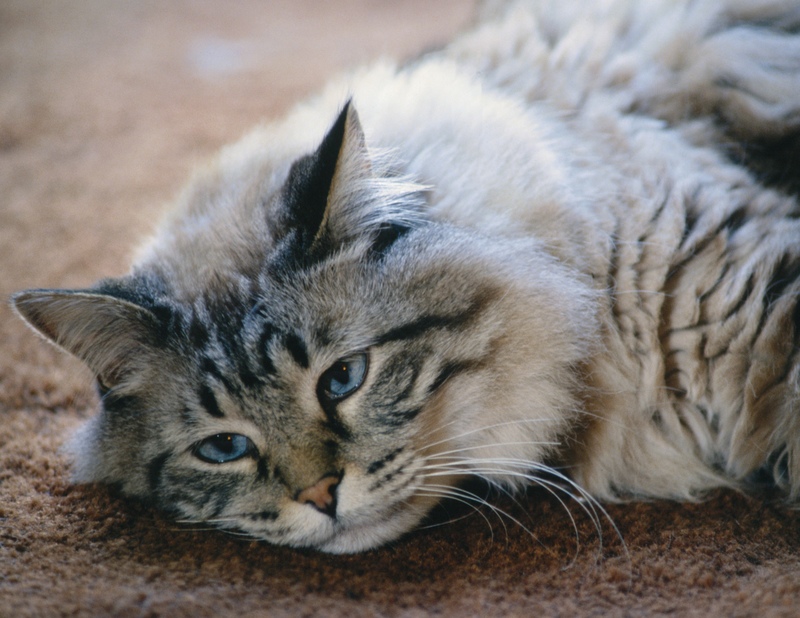
Scouter is an 11-12 year old cat that
has Inflammatory Bowel Disease (IBD) and is hyperthyroid. He lost weight
from 15 pounds down to 12 pounds because of severe IBD symptoms. We fed
him Natural Balance dry food and started to add Halo dry food (3 lbs out
of 15 lbs total dry food) in February. As soon as we changed food, he
developed instant diarrhea. Even after we went back to his original
food, the diarrhea did not improve. Then in May, Scouter was diagnosed
as being hyperthyroid as well as having either IBD/IFD or intestinal
lymphoma. Ultrasound in July showed slight intestinal wall thickening,
while liver/kidneys looked normal. Fecal test last week was negative for
parasites: Crypto, Giardia, etc. I have always maintained that the
problem was related to the change in diet. The vets do not want to hear
about it. Vets prescribed Flagyl for worms—did not work. Now on 7.5 mg
methimazole (for the thyroid) daily (since May 2009), also on prednisolone 5mg
2x day (since June 2009). Feeding Prescription Diet Z/D since July.
Thousands of dollars later still no resolution.
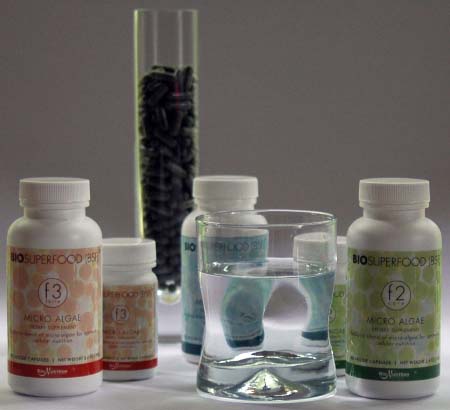
I started with your
BioPreparation-f2+
(green label, maintenance formula) with some results. I switched to your
therapeutic formula, BioPreparation-f3+, and Scouter’s IBD symptoms
started to clear within 48 hours. By the end of the first week,
Scouter’s IBD symptoms were totally gone. His litter box used to look
like a “crime scene” but now looks perfectly normal.—P.K.
A not so recent
article written about IBD in people might shed some light on how nutrition
helped the above case. The article entitled, "Inflammatory Bowel
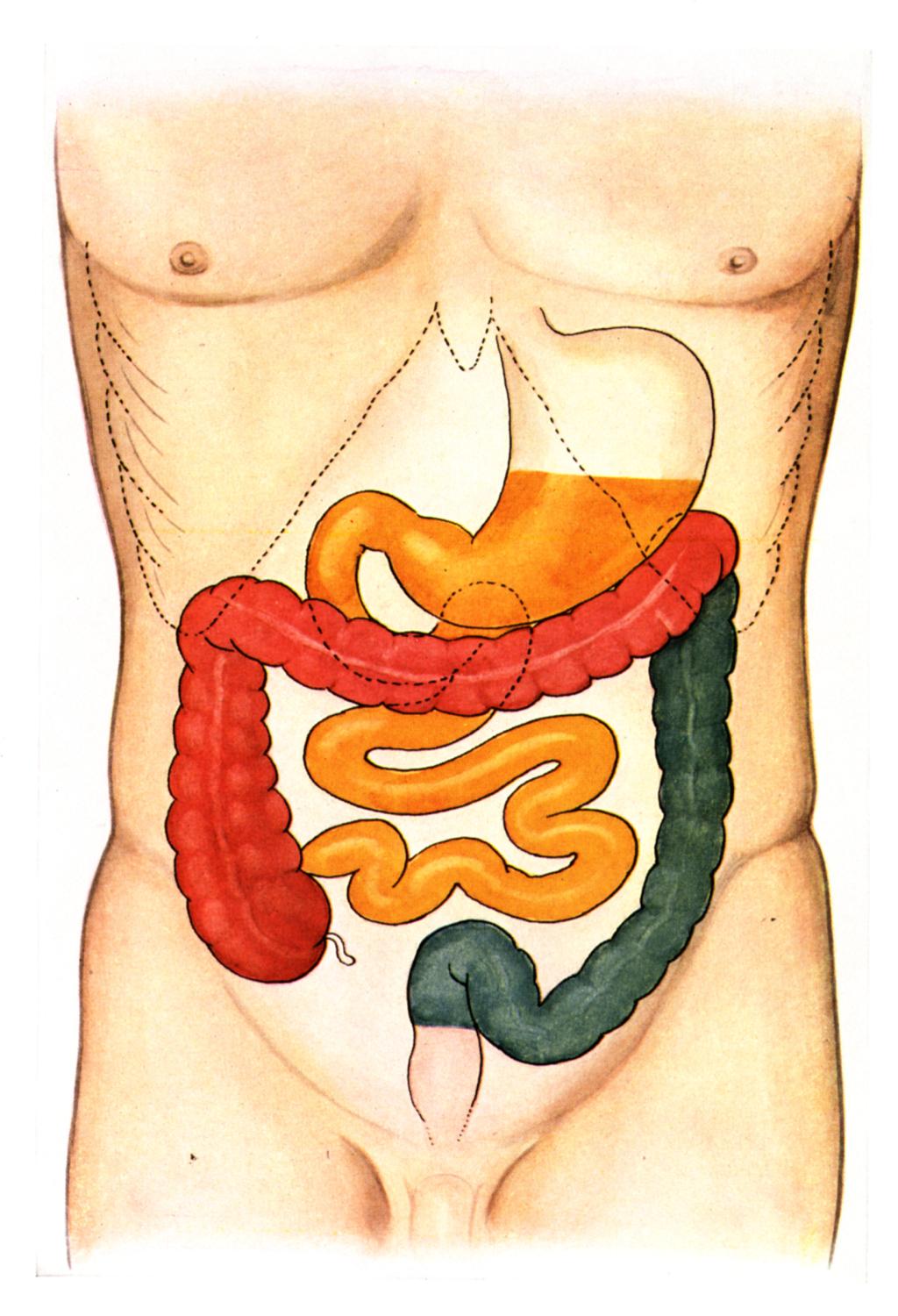 Disease and Irritable Bowel
Syndrome: Separate or Unified?" (Current
Opinion in Gastroenterology, 2003; 19:4) cites a malfunction in the
gut-associated mucosal immune system response due to possible genetic factors
and
early programming of the anti-inflammatory system such as the hypothalamic-pituitary-adrenal (HPA) axis as a possible cause for IBD and
IBS. The study found chronic stress can affect the mucosal immune system,
while acute stress can affect the HPA axis. Rats with traumatic early
life events were more susceptible to these stress-induced changes in gut
permeability possibly related to early programming of the HPA axis. What
does all that mean for your pet? Here is our holistic perspective based
on the above scientific study and our 85+ years of holistic experience Disease and Irritable Bowel
Syndrome: Separate or Unified?" (Current
Opinion in Gastroenterology, 2003; 19:4) cites a malfunction in the
gut-associated mucosal immune system response due to possible genetic factors
and
early programming of the anti-inflammatory system such as the hypothalamic-pituitary-adrenal (HPA) axis as a possible cause for IBD and
IBS. The study found chronic stress can affect the mucosal immune system,
while acute stress can affect the HPA axis. Rats with traumatic early
life events were more susceptible to these stress-induced changes in gut
permeability possibly related to early programming of the HPA axis. What
does all that mean for your pet? Here is our holistic perspective based
on the above scientific study and our 85+ years of holistic experience
Biologist tell us a canine carnivore in the wild gets 60-80% meat
protein in their diet, while a feline
 carnivore
needs 70-90% meat protein to be healthy. If one feeds a
nutrient-deficient dry kibble diet (20-40%
meat protein on average) to their puppy or kitten, their growing body is
not getting the proper nutrition it needs to develop the digestive tract
of a carnivore. They will be lacking needed digestive enzymes, they will
not have the proper flora (friendly bacteria) develop in their
intestines and their body will have to deal with an overload of
carbohydrates (from wheat, corn, soy, rice, barley, potatoes, etc.) and
sugars (from corn, beets, etc.) it normally would not eat, thereby
stressing the pancreas (responsible for manufacturing digestive enzymes
and insulin). While this may seem adequate
when a pet is younger, as they get older IBS and IBD symptoms might show
up. By then, it is almost too late to correct the underdeveloped and
malfunctioning digestive tract. The malfunctioning mucosal immune system
will allow the gut to be permeable letting through unwanted bacteria and
other toxic substances. Protein molecules that normally would be
digested by a wild carnivore will irritate the digestive tract of our
domesticated carnivore, thus producing an
allergic response. carnivore
needs 70-90% meat protein to be healthy. If one feeds a
nutrient-deficient dry kibble diet (20-40%
meat protein on average) to their puppy or kitten, their growing body is
not getting the proper nutrition it needs to develop the digestive tract
of a carnivore. They will be lacking needed digestive enzymes, they will
not have the proper flora (friendly bacteria) develop in their
intestines and their body will have to deal with an overload of
carbohydrates (from wheat, corn, soy, rice, barley, potatoes, etc.) and
sugars (from corn, beets, etc.) it normally would not eat, thereby
stressing the pancreas (responsible for manufacturing digestive enzymes
and insulin). While this may seem adequate
when a pet is younger, as they get older IBS and IBD symptoms might show
up. By then, it is almost too late to correct the underdeveloped and
malfunctioning digestive tract. The malfunctioning mucosal immune system
will allow the gut to be permeable letting through unwanted bacteria and
other toxic substances. Protein molecules that normally would be
digested by a wild carnivore will irritate the digestive tract of our
domesticated carnivore, thus producing an
allergic response.
Not only is the amount of meat protein important but a variety of meat
protein is essential to developing a
 diversity
of flora and enzymes in the gut. It is suggested one vary not only the
meat flavor (for example, beef, lamb, chicken, turkey, venison, bison,
elk, quail, pheasant, etc.) but also the brand of pet food regularly in
all stages of a pet’s life. Each manufacturer gets their meat and
nutrients from a different source and each has their own formula for
fortifying their foods. One may favor more vitamins and minerals, while
another more enzymes and amino acids. One brand might use synthetic
vitamin sources because they are cheaper, while another all-natural
whole food sources. A diversity in
food and nutrients sources leads to diversity in the digestive tract.
After all, one would not feed just beef to their toddler every day and
expect it to have a fully functioning digestive tract as an adult. diversity
of flora and enzymes in the gut. It is suggested one vary not only the
meat flavor (for example, beef, lamb, chicken, turkey, venison, bison,
elk, quail, pheasant, etc.) but also the brand of pet food regularly in
all stages of a pet’s life. Each manufacturer gets their meat and
nutrients from a different source and each has their own formula for
fortifying their foods. One may favor more vitamins and minerals, while
another more enzymes and amino acids. One brand might use synthetic
vitamin sources because they are cheaper, while another all-natural
whole food sources. A diversity in
food and nutrients sources leads to diversity in the digestive tract.
After all, one would not feed just beef to their toddler every day and
expect it to have a fully functioning digestive tract as an adult.
Another factor could be a traumatic puppyhood or kittenhood. When pets
are rescued, one does not know
 anything
about their formative environment. According to the above scientific
study, early traumatic life events can affect the developmental stages
of the hypothalamic-pituitary-adrenal (HPA) axis. An improperly
programmed HPA axis is one suspected cause of improper gut permeability.
Although the cause is different than the nutritionally-deprived
malfunctioning mucosal lining of the gut, the results of letting
unwanted bacteria and other toxic substances and the inability to digest
certain protein molecules is the same—IBD. anything
about their formative environment. According to the above scientific
study, early traumatic life events can affect the developmental stages
of the hypothalamic-pituitary-adrenal (HPA) axis. An improperly
programmed HPA axis is one suspected cause of improper gut permeability.
Although the cause is different than the nutritionally-deprived
malfunctioning mucosal lining of the gut, the results of letting
unwanted bacteria and other toxic substances and the inability to digest
certain protein molecules is the same—IBD.
Pure bred pets and pets from “puppy
mills,” seem to be subjected to genetic pre-disposition to many
digestive disorders and allergies. Because most breeders only breed for
good looks and structure, this can perpetuate any genetic imbalance and
any improperly programmed HPA axis. So, what can one do if a pet has
been rescued or already displays IBD or IBS symptoms?
-
Build up the friendly flora in the gut by
adding animal-specific probiotics (source of friendly bacteria) to
the diet. An abundance of friendly bacteria will crowd out the
unwanted bacteria and allow for proper digestion of all normal
protein molecules a carnivore should be eating.
-
In the beginning, one might need to add
digestive enzymes to any change in diet. But adding
digestive enzymes is only supplementing the symptoms and will
leave a lazy pancreas. Ultimately, one wants to supply the
co-enzymes (from algae, plants or raw meat) and co-factors the body
needs to manufacture its own digestive enzymes.
-
Get your pet off the
nutrient-deficient dry kibble diet
that is unfit for a carnivore. Transition to a premium canned food,
freeze-dried raw food and even better, a raw food diet more suited
for a carnivore. We have seen a complete resolution of IBD symptoms
in a pet with just a change to a better diet.
-
Vary your pet’s diet (both flavor and
brand) to create diversity in their digestive tract.
-
 Increase
the hypothalamic-pituitary-adrenal (HPA) axis function by feeding
super nutrition to the brain. Animals in the wild naturally get
algae in their diet from the water and soil they ingest. Certain
microalgae are
literally brain food that feed, energize and balance the glands in
the brain. Domesticated pets that eat processed food and drink tap
water are deprived of algae. Give back to your pet the super
nutrition Nature intended. Increase
the hypothalamic-pituitary-adrenal (HPA) axis function by feeding
super nutrition to the brain. Animals in the wild naturally get
algae in their diet from the water and soil they ingest. Certain
microalgae are
literally brain food that feed, energize and balance the glands in
the brain. Domesticated pets that eat processed food and drink tap
water are deprived of algae. Give back to your pet the super
nutrition Nature intended.
This is such a revolutionary concept,
perhaps 100 years ahead of its time. Now that’s true holistic wellness!
|




 your entire order through
March 15, 2010.
Simply enter "LOVE7"
in the Discount Coupon box of our shopping cart. You
must press the green [Recalculate]
button on the lower left to
see this discount calculated in your order total. Then select
the green [Go To Payments] button to complete your order. This
discount is only available to our customers who read this
e-newsletter and order online. This discount is not available to
the general public. This discount may not be combined
with our autoship, volume, referral bonus, wholesale or
other discounts. Discount ends at midnight, March 15,
2010.
your entire order through
March 15, 2010.
Simply enter "LOVE7"
in the Discount Coupon box of our shopping cart. You
must press the green [Recalculate]
button on the lower left to
see this discount calculated in your order total. Then select
the green [Go To Payments] button to complete your order. This
discount is only available to our customers who read this
e-newsletter and order online. This discount is not available to
the general public. This discount may not be combined
with our autoship, volume, referral bonus, wholesale or
other discounts. Discount ends at midnight, March 15,
2010.